
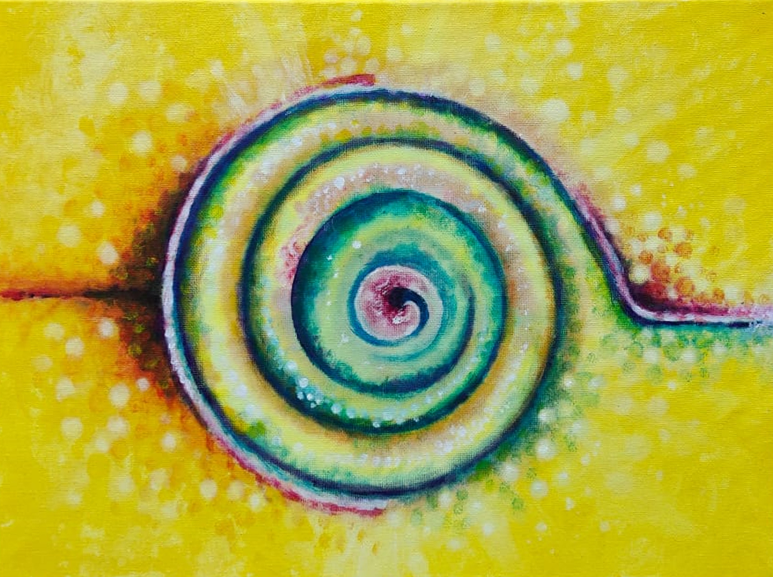
Art can impact individuals through mirror neurons, which activate the same neural pathways involved in performing actions. This activation fosters empathy and helps us grasp the artist's intentions and the emotions conveyed in their work.
Mirror neurons are essential for understanding and empathising with others, as they respond both when we act and when we observe others in action. When we look at a painting, our mirror neurons can replicate the actions and movements illustrated, enabling us to "experience" the artist's brushwork or the feelings of the subjects portrayed.
These neurons allow us to comprehend the actions and intentions of others, including artists, by mirroring their movements in our minds. By engaging these neural circuits, paintings can cultivate empathy and emotional bonds, as we can vicariously feel the emotions and actions represented in the art.
For example, when we see a painting of someone reaching for an object, it can activate similar responses in our motor cortex, helping us understand the action and perhaps even share the same intention. Likewise, a landscape painting can transport us to that setting, allowing us to sense the warmth of the sun, the breeze, and the textures of the scene.
Thus, art serves as a powerful medium for viewers to connect on a deeper, more visceral level, enhancing their subtle energy and surroundings. Consequently, it is crucial for artists to convey their positive intentions in their work, as viewers reflect those intentions.